Winiary
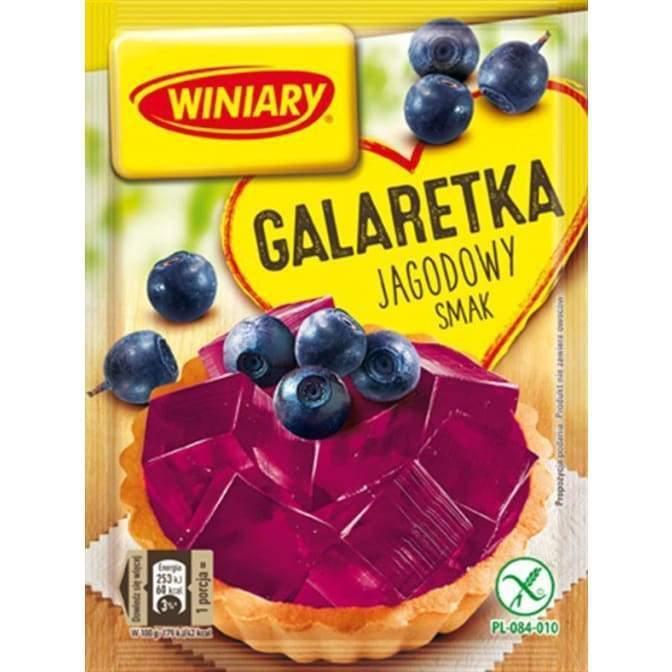
Galaretka jagodowa smak 47 g galaretka jagodowa Winiary
W magazynie, 34 sztuk
Cena specjalna€0,99
€21,06/kg
Winiary
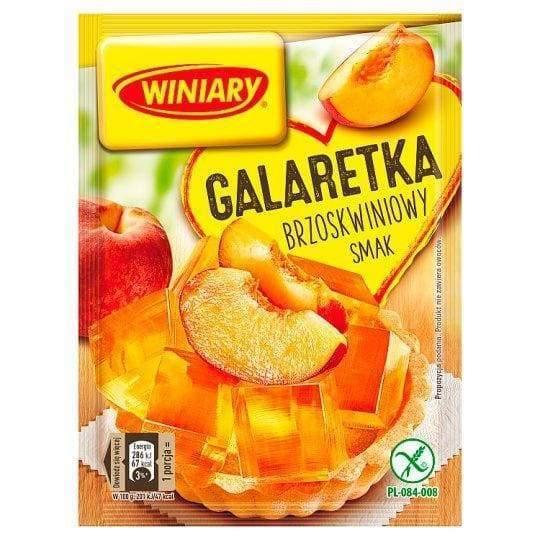
Winiary - Galaretka brzoskwiniowy smak 71g / galaretka brzoskwiniowa
W magazynie, 90 sztuk
Cena specjalna€0,79
€16,81/kg
Winiary
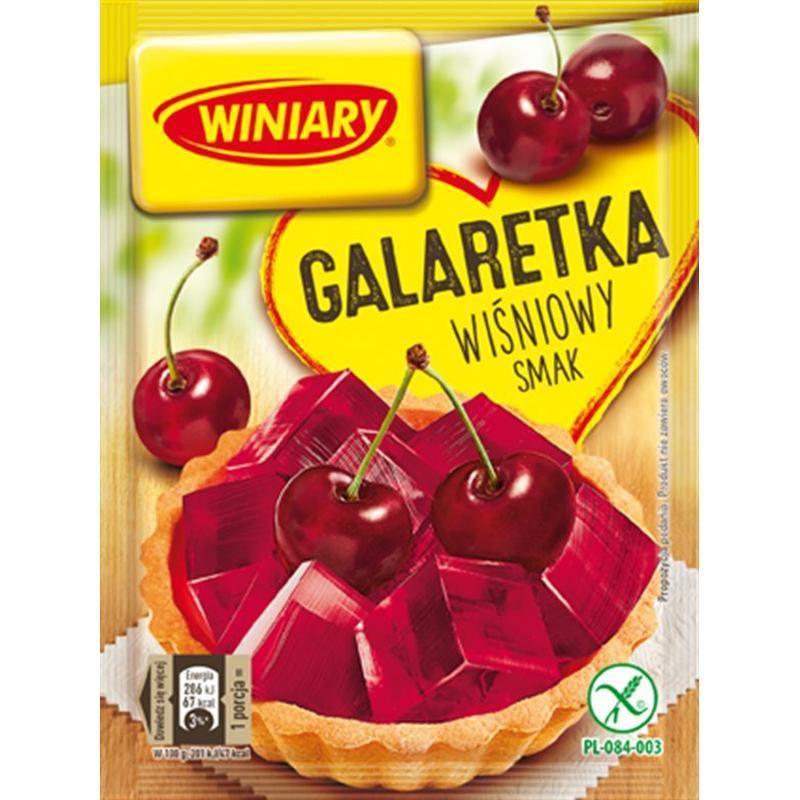
Winiary Galaretka Galaretka o smaku wiśniowym 71g
W magazynie, 33 sztuk
Cena specjalna€0,99
€1,39/100g
Winiary
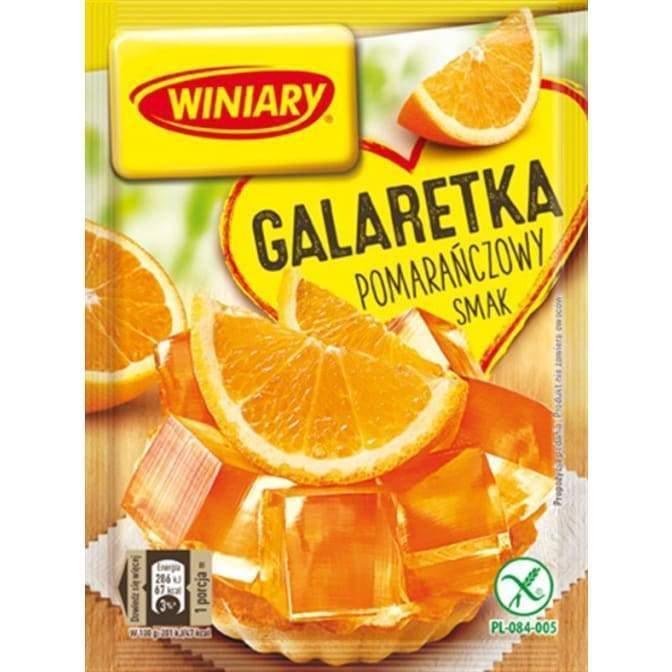
Winiary Galaretka Galaretka o smaku pomarańczowym 71g
W magazynie, 30 sztuk
Cena specjalna€0,99
€21,06/kg

Winiary
Winiary - Kisiel Poziomkowy 77g/ galaretka truskawkowa
W magazynie, 16 sztuk
Cena specjalna€0,89
€18,94/1000g
Winiary
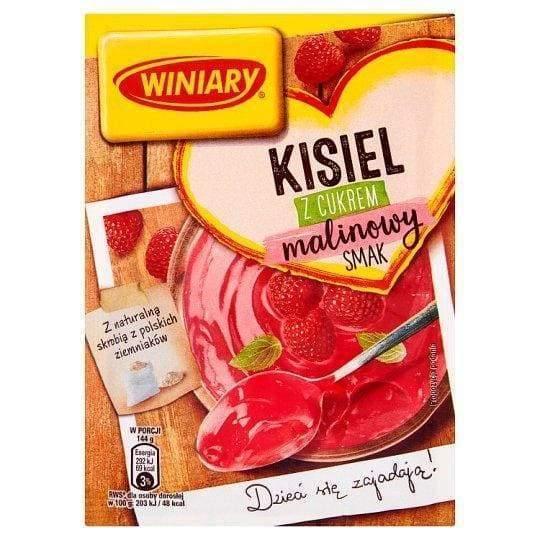
Winiary - Kisiel Malinowy 77g/galaretka malinowa
W magazynie, 24 sztuk
Cena specjalna€0,89
€18,94/kg

Winiary
Winiary - Kisiel Wiśniowy 77g/ galaretka wiśniowa
W magazynie, 23 sztuk
Cena specjalna€0,89
€18,94/kg
Winiary
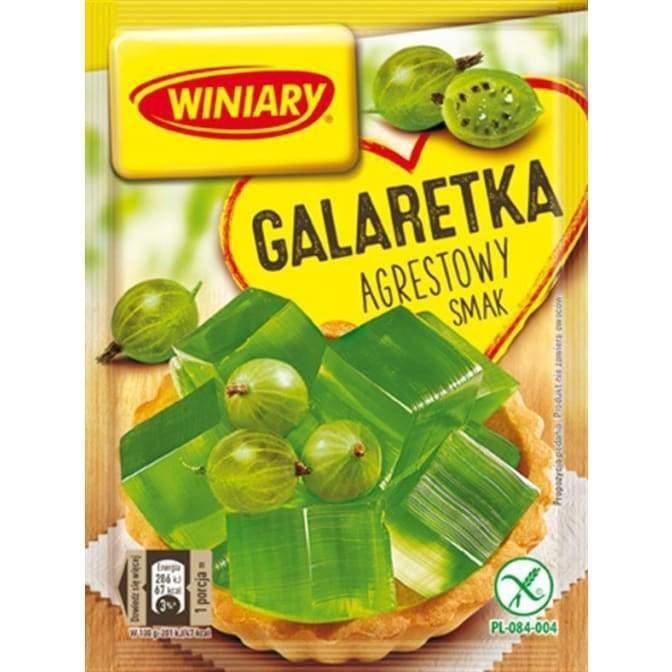
Winiary - Galaretka O Smaku Agrestu 47g/galaretka o smaku agrestu
W magazynie, 62 sztuk
Cena specjalna€0,99
€21,06/1000g


Winiary
Galaretka Kisiel Pomarańczowy Pomarańczowy 77g - Winiary
W magazynie, 31 sztuk
Cena specjalna€0,85
€18,09/kg

Winiary
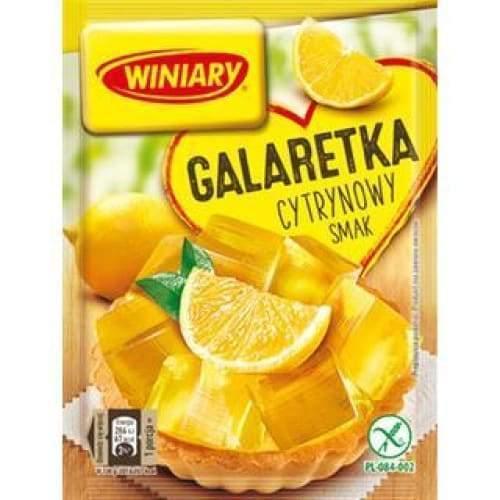
Winiary Galaretka Galaretka cytrynowa 71g
W magazynie, 21 sztuk
Cena specjalna€0,99
€21,06/kg
Winiary
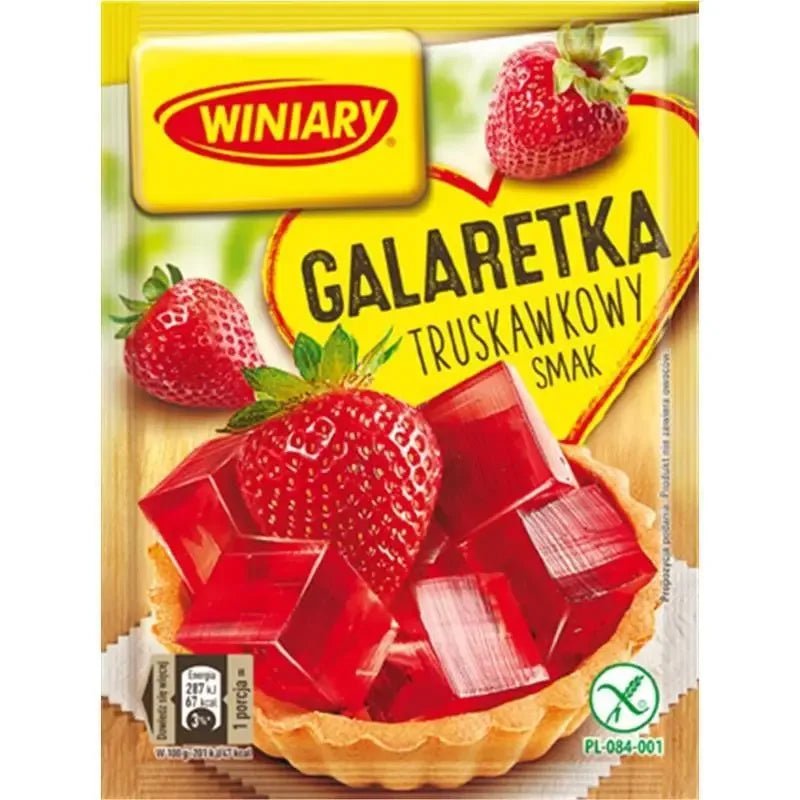
Galaretka o smaku truskawkowym - Galaretka Deser truskawkowy 71g - Winiary
W magazynie, 32 sztuk
Cena specjalna€0,99
€13,94/kg
Winiary
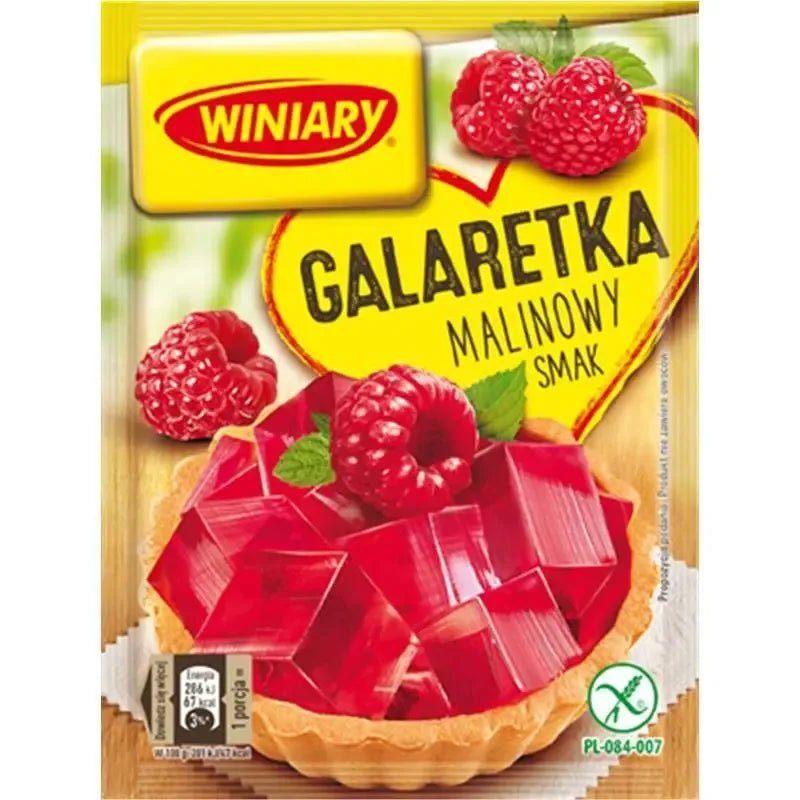
Galaretka o smaku malinowym - Galaretka Deser malinowy 71g - Winiary
W magazynie, 28 sztuk
Cena specjalna€0,99
€13,94/kg

Winiary
Winiary - Kisiel Cytrynowy 77g/ galaretka cytrynowa
W magazynie, 31 sztuk
Cena specjalna€0,99
€21,06/1000g
Goodmills
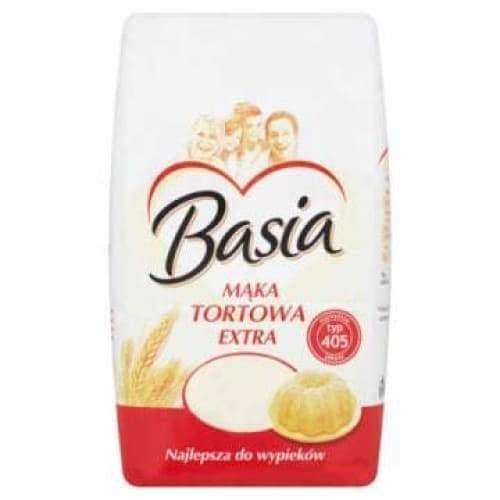
Mąka Pszenna Tortowa Typ 405 Extra 1kg - Basia Goodmills
W magazynie, 3 sztuk
Cena specjalna€1,99
€1,99/kg
Dr.Oetker
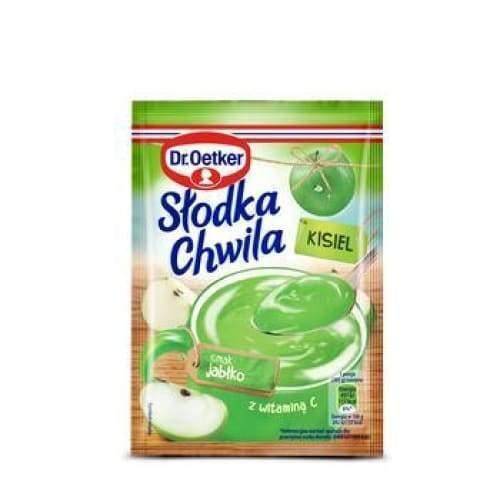
Galaretka jabłkowa Kisiel Jabłkowy 30g - Dr Oetker
W magazynie, 17 sztuk
Cena specjalna€0,89
€18,94/kg

Winiary
Budyń Truskawkowy Budyń Truskawkowy 60g - Winiary
W magazynie, 50 sztuk
Cena specjalna€0,89
€18,94/kg
Oszczędności €0,41

Winiary
Götterspeise Buntes Paket Galaretka Mix 10 Sorten - Winiary
Cena specjalna€9,49
Cena regularna€9,90
W magazynie, 33 sztuk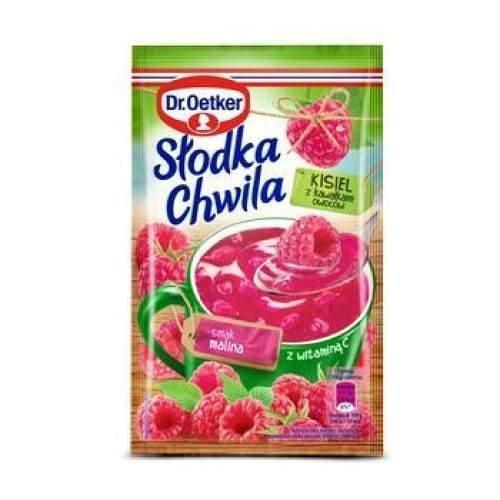
Dr.Oetker
Kisiel Słodka Chwila Malina z Kawałkami Owoców – Dr. Oetker
W magazynie, 25 sztuk
Cena specjalna€0,89
€18,94/kg
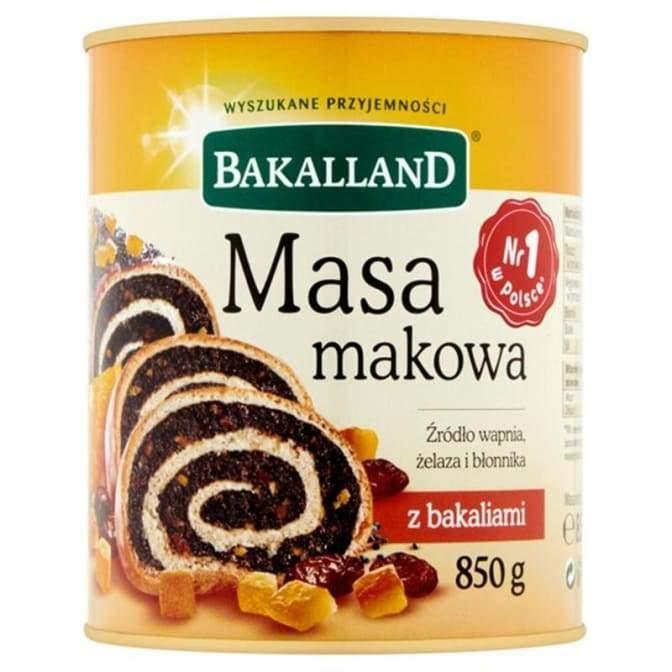
Bakalland
Polska Masa Makowa "Masa Makowa" 850g Bakalland
W magazynie, 8 sztuk
Cena specjalna€4,99
€5,87/kg
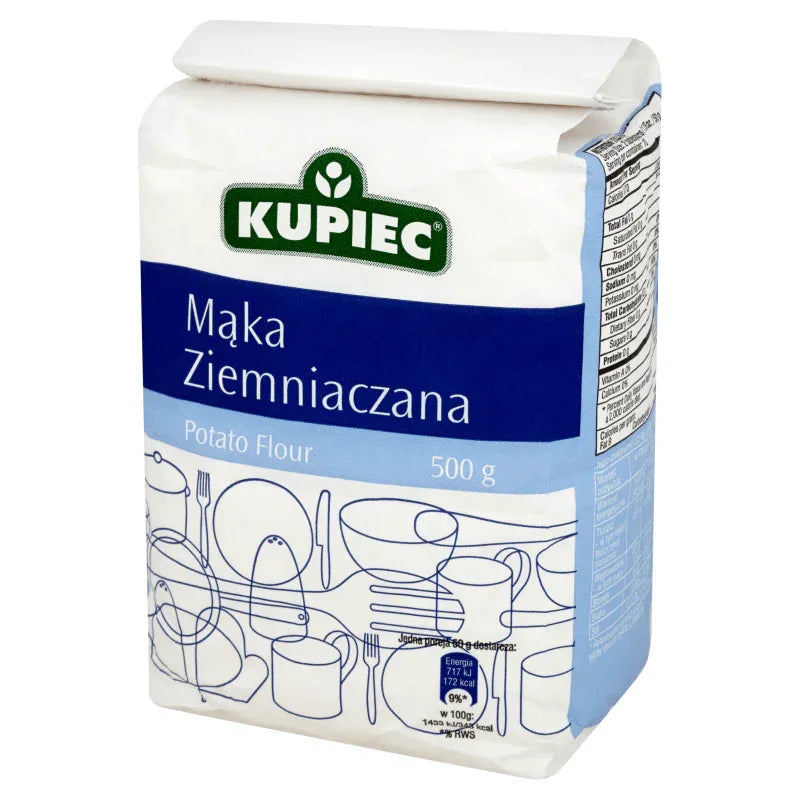
Basia
Polska mąka ziemniaczana ''Maka ziemniaczana'' Kupiec 500g
Wyprzedane
Cena specjalna€2,49
€2,49/kg

Dr. Oetker
Deser owocowy Kisiel Słodka Chwila poziomka 31,5g - Dr. Oetker
W magazynie, 13 sztuk
Cena specjalna€0,89
€28,25/1000g

Delecta
Śnieżka przetłumaczone przez Delecta Kremowe Płatki Śniegu 51g
Tylko 1 sztuk w magazynie
Cena specjalna€0,99
€1,94/100g

Drosed
Kurczak w galarecie Mięso z kurczaka w galarecie 150g - Drosed
W magazynie, 3 sztuk
Cena specjalna€1,99
€13,27/1000g
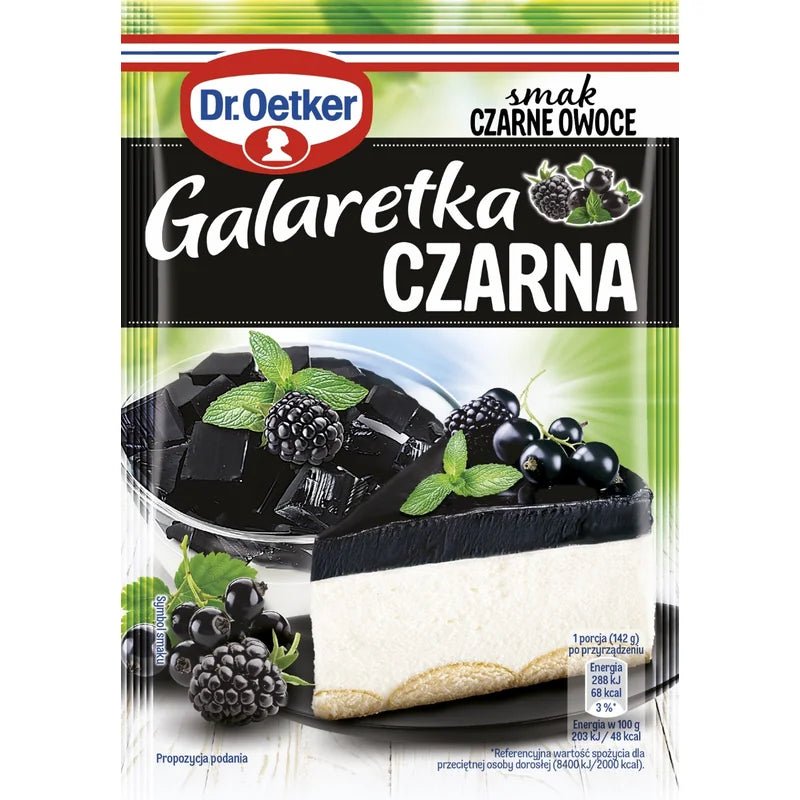
Galaretka
Götterspeise Schwarze Früchte Galaretka Czarna 70g
Wyprzedane
Cena specjalna€0,99
€14,14/kg
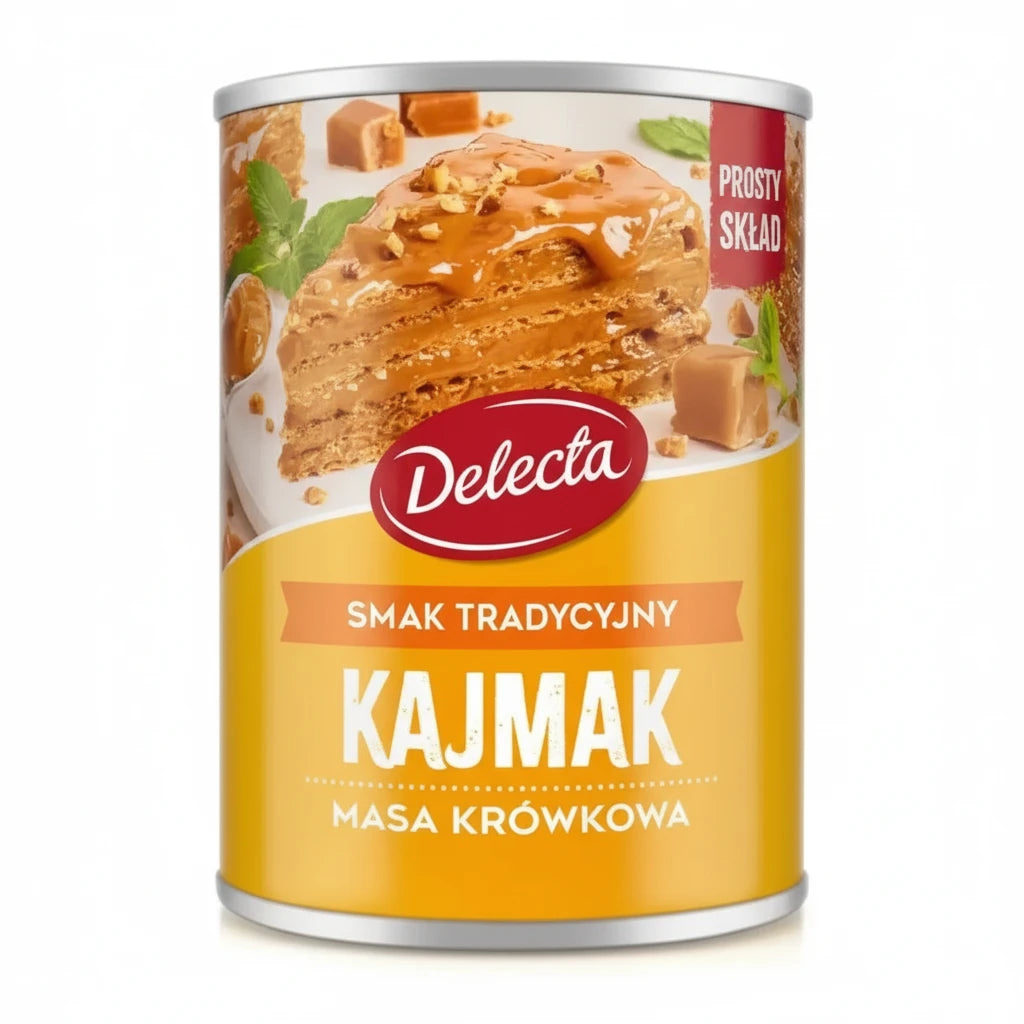
Delecta
Masa karmelowa - Kajmak Masa Krówkowa 400g - Delecta
W magazynie, 4 sztuk
Cena specjalna€4,49
€11,23/kg

Dr. Oetker
Deser owocowy Kisiel Słodka Chwila truskawka 30g - Dr. Oetker
Wyprzedane
Cena specjalna€0,85
€28,33/1000g
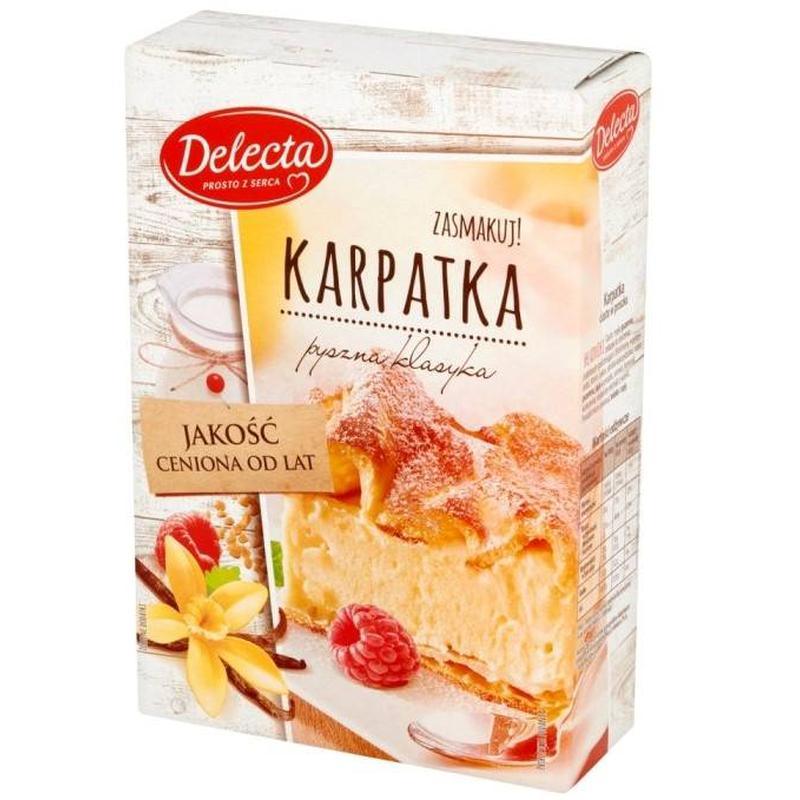
Delecta
Ciasto karpackie Karpatka mieszanka do pieczenia 390g Delecta
Wyprzedane
Cena specjalna€3,99
€10,23/kg
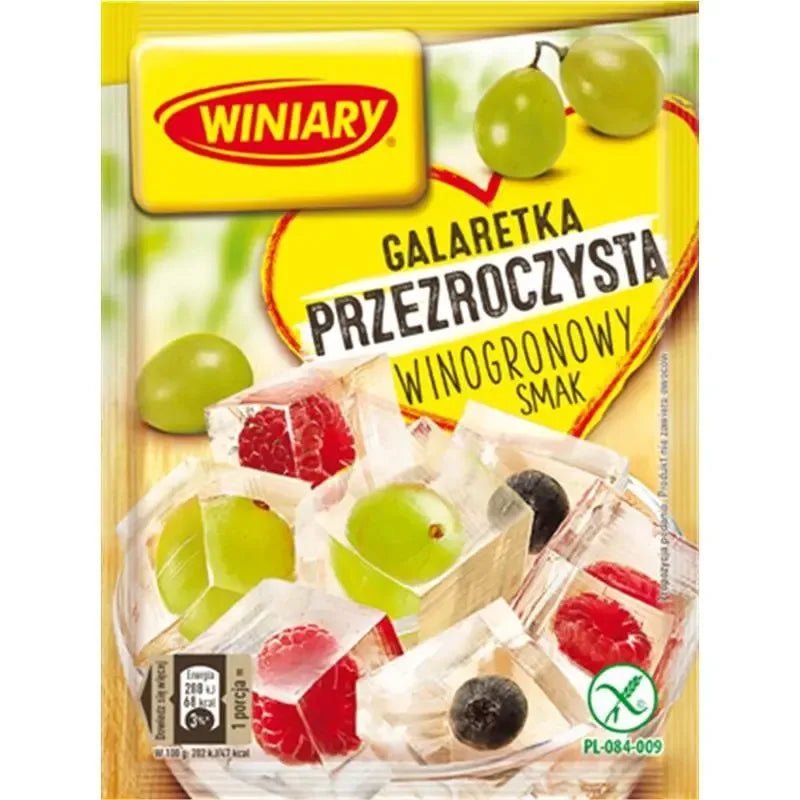
Winiary
Przezroczysta galaretka o smaku winogronowym - Galaretka przezroczysta o smaku winogronowym 71g - Winiary
W magazynie, 15 sztuk
Cena specjalna€1,29
€18,17/kg
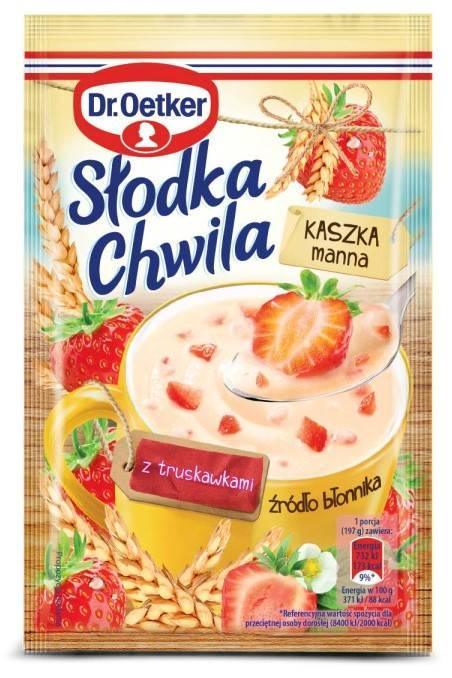
Dr.Oetker
Budyń z semoliny Kasza Manna Dr. Oetkera z truskawkami
W magazynie, 17 sztuk
Cena specjalna€0,99
€21,06/kg
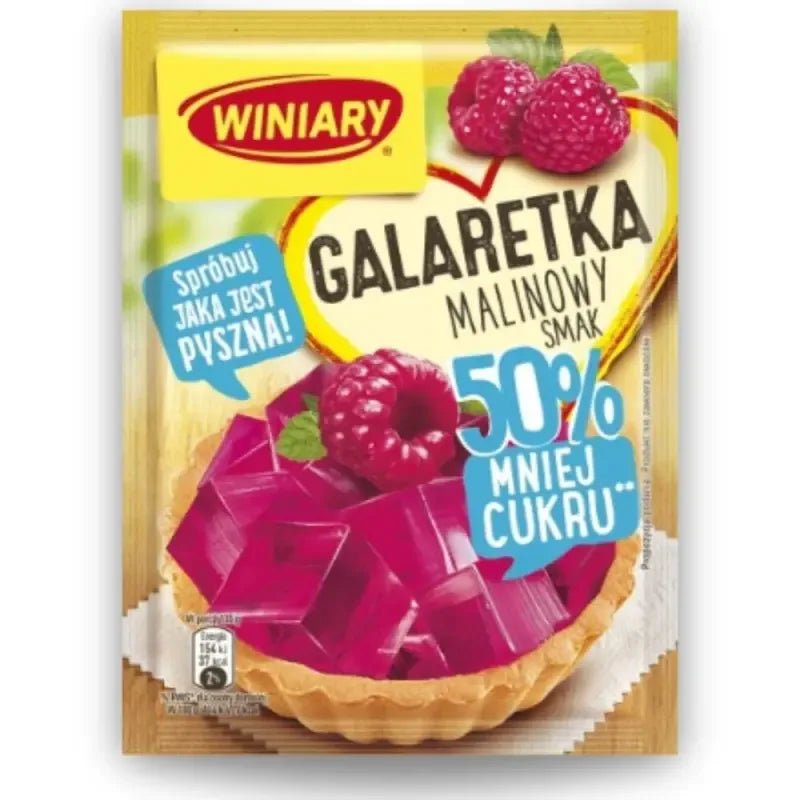
Winiary
Galaretka o smaku malinowym 50% mniej cukru - Galaretka o smaku malinowym 39g - Winiary
W magazynie, 4 sztuk
Cena specjalna€0,99
€25,38/kg

Dr. Oetker
Deser owocowy Kisiel Słodka Chwila Duet truskawka-kiwi 32g - Dr. Oetker
W magazynie, 5 sztuk
Cena specjalna€0,89
€27,81/1000g
Japar
Mak ''MAK'' Mak polski niebieski SEMIX 200g
W magazynie, 4 sztuk
Cena specjalna€2,49
€12,45/kg
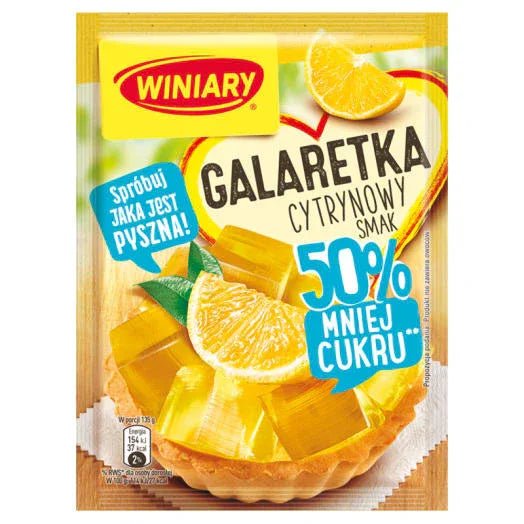
Winiary
Galaretka o smaku cytrynowym 50% mniej cukru - Galaretka o smaku cytrynowym 39g - Winiary
W magazynie, 19 sztuk
Cena specjalna€0,99
€25,38/kg
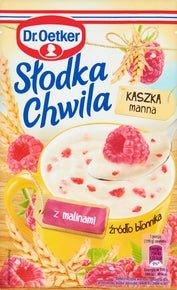
Dr.Oetker
Kasza manna Słodka Chwila Grysik Malinowa 49g - Dr Oetker
Wyprzedane
Cena specjalna€0,99
€21,06/kg

Basia
Basia Polska Mąka Pszenna Wrocławska Typ 500 – 1 kg mąki uniwersalnej
W magazynie, 7 sztuk
Cena specjalna€2,19
€2,19/kg
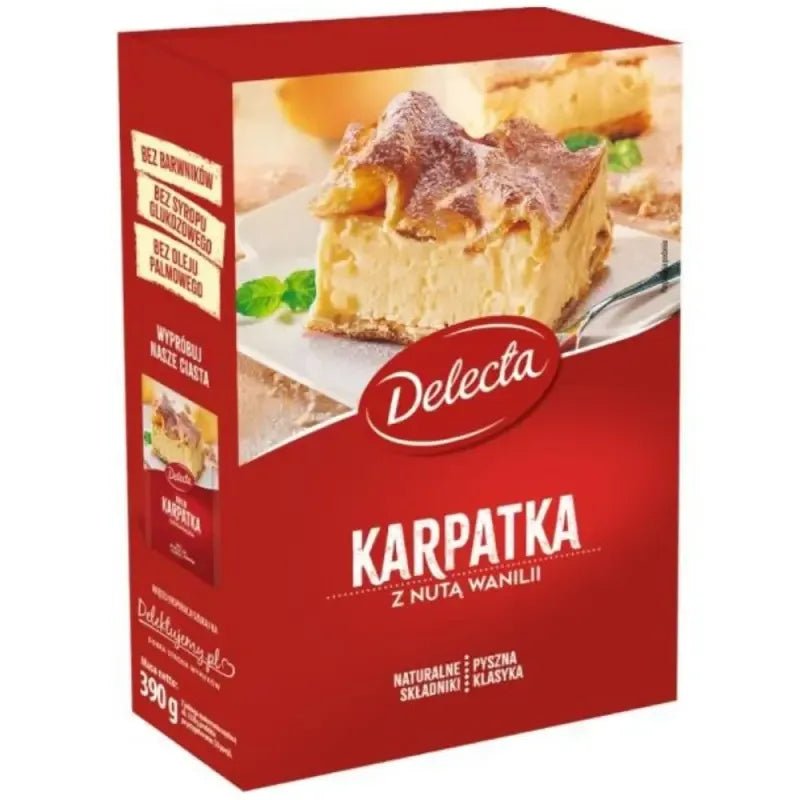
Delecta
Mieszanka do pieczenia Karpatka Ciasto 375g - Delecta
Wyprzedane
Cena specjalna€3,89
€10,37/1000g

Winiary
Kisiel żurawinowy - Kisiel Galaretka żurawinowa 77g - Winiary
W magazynie, 25 sztuk
Cena specjalna€0,85
€11,04/kg

Dr. Oetker
Deser owocowy Kisiel Słodka Chwila Shrek Smoczy Owoc 30g - Dr. Oetker
Wyprzedane
Cena specjalna€0,85
€28,33/1000g
Oszczędności €0,34

Dr. Oetker
Deser owocowy Kisiel Słodka Chwila Wiśnia 30g - Dr Oetker
Wyprzedane
Cena specjalna€0,51
Cena regularna€0,85
€17,00/1000g

Dr.Oetker
Owsianka Słodka Chwila Grysik Waniliowa 47,5g - Dr. Oetker
Wyprzedane
Cena specjalna€0,99
€21,06/kg

Basia
Basia Krupczatka Typ 450 – 1 kg mąki pszennej gruboziarnistej do wypieku ciast
W magazynie, 9 sztuk
Cena specjalna€2,19
€2,19/kg

Dr. Oetker Polska Sp. z o.o.
Deser owocowy Kisiel Słodka Chwila Galaretka o smaku cytrynowym - Słodka Chwila cytrynowy 30g - Dr. Oetker
W magazynie, 7 sztuk
Cena specjalna€0,89
€29,67/kg
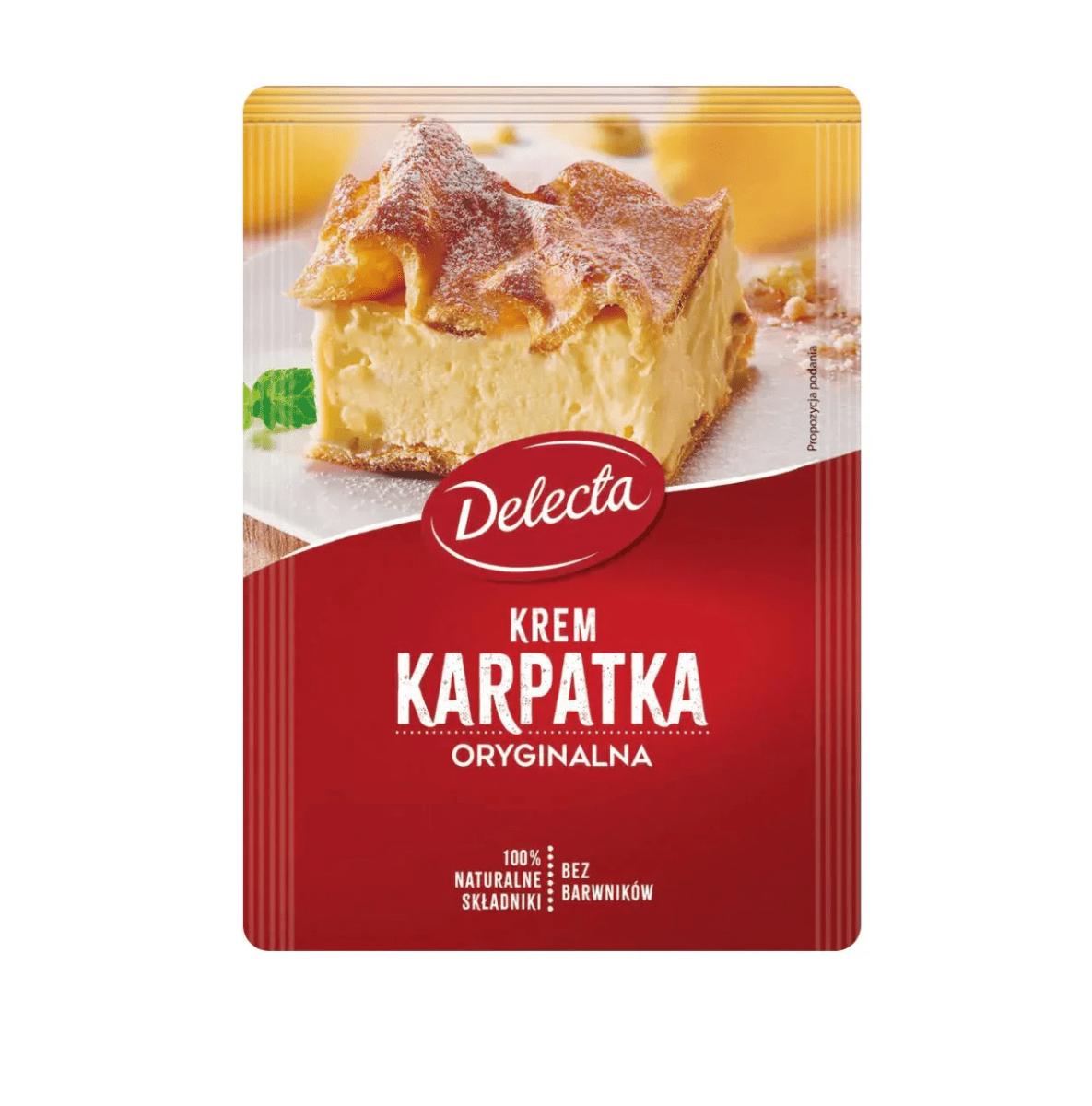
Delecta
Karpatka Krem Krem Budyn 250g - Delecta
W magazynie, 7 sztuk
Cena specjalna€2,99
€11,96/1000g
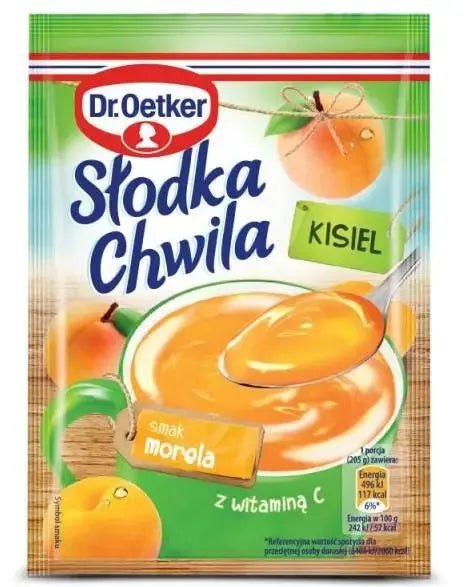
Dr. Oetker Polska Sp. z o.o.
Deser owocowy Kisiel Słodka Chwila o smaku morelowym - Słodka Chwila morelowy 30g - Dr. Oetker
W magazynie, 7 sztuk
Cena specjalna€0,89
€29,67/kg